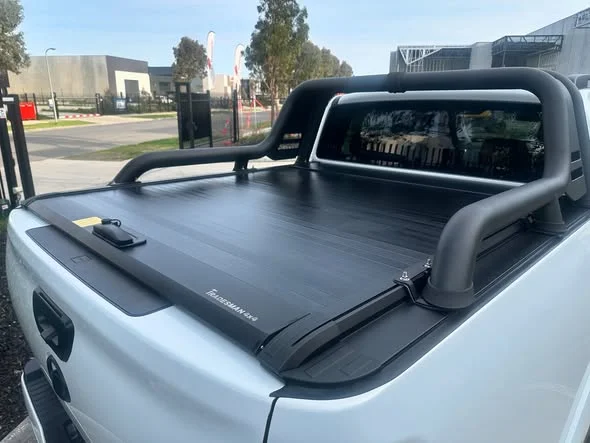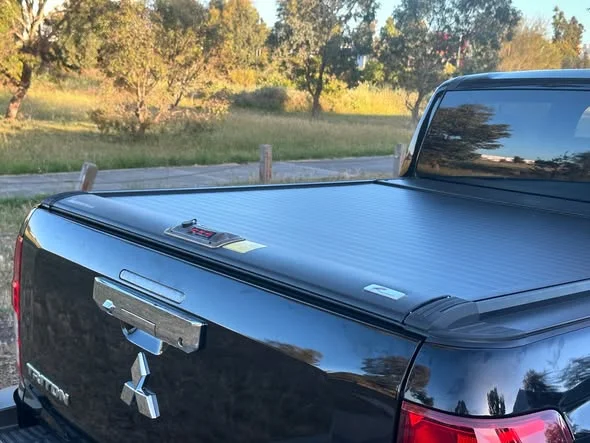
Understanding roller shutter load capacity is important if you plan to carry equipment above your ute’s tub using cross bars, roof racks or other compatible accessories. A load rating is not simply a single weight limit that applies in every situation. The amount of weight a system can support can depend on whether the vehicle is moving or stationary, how the load is distributed and whether the correct mounting equipment is being used.
This is where the difference between dynamic vs static load becomes important. A roller shutter may support one amount of weight while the vehicle is moving and a different amount when the vehicle is parked. Understanding this distinction can help ute owners avoid overloading the system or making incorrect assumptions about what a load rating means.
For Tradesman4x4 roller covers, the published FAQ states that the side rails have a 120 kg dynamic load rating and a 300 kg static load rating, provided the load is evenly distributed across the roller cover and the appropriate mounting brackets are used.
This guide explains how roller shutter load ratings work, the difference between dynamic and static capacity, and what to consider before loading equipment onto a ute roller shutter system.
TL;DR Summary
Roller shutter load capacity can differ depending on whether the vehicle is moving or stationary.
Dynamic load refers to the weight supported while the ute is being driven.
Static load refers to the weight supported while the vehicle is stationary.
Tradesman4x4 publishes a 120 kg dynamic and 300 kg static rating for its roller cover side rails, subject to correct load distribution and appropriate mounting brackets.
The weight of accessories, racks and mounting hardware may need to be included when calculating the total load.
A higher static rating does not mean you can carry the same weight while driving.
Always check the specifications for your exact product and vehicle before loading equipment.
What Does Roller Shutter Load Capacity Mean?
Roller shutter load capacity refers to the amount of weight a roller shutter system or its supporting components are designed to handle under specified conditions.
However, this does not necessarily mean that the shutter curtain itself should be treated as a flat platform for placing heavy objects directly on top.
Many ute roller shutter systems use side rails and compatible mounting points to support cross bars or other load-carrying accessories. The exact construction and load path matter when determining how equipment should be carried.
The published load rating for Tradesman4x4 roller cover side rails is:
Load Type | Published Rating |
|---|---|
Dynamic load | 120 kg |
Static load | 300 kg |
These figures apply when the load is evenly distributed across the roller cover and the appropriate mounting brackets are used.
Understanding the conditions behind a rating is just as important as knowing the number itself.
What Is Dynamic Load?
A dynamic load is the weight a system supports while the vehicle is moving.
For a ute, this means the load is affected by more than its own physical weight. When driving, forces are created through:
Acceleration
Braking
Cornering
Road vibration
Uneven surfaces
Bumps and potholes
Changes in vehicle movement
A 100 kg item sitting on a stationary vehicle does not necessarily place the same forces on the mounting system when the vehicle is travelling over rough roads.
Why movement changes the load
When a vehicle moves, the load can shift and create additional forces. A sudden bump, for example, may cause the load and mounting system to experience forces greater than the equipment’s simple stationary weight.
This is why dynamic ratings are usually lower than static ratings.
For the Tradesman4x4 roller cover side rails, the published dynamic load rating is 120 kg, subject to the stated conditions around even load distribution and appropriate mounting brackets.
Examples of dynamic loading
Dynamic loading may apply when carrying equipment such as:
Ladders
Recovery boards
Lightweight work equipment
Camping equipment
Roof storage systems
Other compatible loads mounted to an approved cross bar system
The total load should be assessed carefully rather than focusing only on the weight of the items being carried.
What Is Static Load?
A static load refers to the weight supported while the vehicle is stationary.
This rating can be higher because the system is not experiencing the additional movement-related forces associated with driving.
For Tradesman4x4 roller cover side rails, the published static load rating is 300 kg, subject to even load distribution and the use of appropriate mounting brackets.
Why is the static rating higher?
When a vehicle is parked, the load remains relatively stable. There are no normal driving forces from braking, acceleration or road impacts acting on the mounted equipment.
This does not mean that any 300 kg load can simply be placed anywhere on the system.
The rating still depends on:
Correct load distribution
Suitable mounting brackets
Appropriate accessory compatibility
Proper installation
The specifications of the particular roller shutter system
Dynamic vs Static Load: The Key Difference
The easiest way to understand the difference is to think about the same load in two situations.
Situation one: The ute is parked
A load is mounted correctly and the vehicle remains stationary. The system is assessed according to its static load capacity.
Situation two: The ute is driving
The same load is now affected by vibration, braking, acceleration and road conditions. The system must therefore operate within its dynamic load capacity.
This means you should not use the static rating as your driving weight limit.
Factor | Dynamic Load | Static Load |
|---|---|---|
Vehicle condition | Moving | Stationary |
Effect of road forces | Yes | No normal driving forces |
Acceleration and braking | Affects the load | Not applicable while parked |
Typical rating | Lower | Higher |
Main consideration | Safe carrying while driving | Supported weight while stationary |
The difference is particularly important for ute owners using roller shutter side rails as part of a broader load-carrying setup.
How Much Weight Can a Ute Roller Cover Support?
When asking about a ute roller cover weight limit, it is important to identify exactly which part of the system is being rated.
The shutter curtain, side rails, cross bars and mounting brackets may each have their own specifications.
For Tradesman4x4 roller cover side rails, the published rating is 120 kg dynamic and 300 kg static, with the stated conditions regarding even distribution and appropriate mounting brackets.
Before loading equipment, you should also consider the weight of:
Cross bars
Mounting brackets
Roof racks
Storage platforms
The equipment being carried
Do not forget accessory weight
A common mistake is to calculate only the weight of the cargo.
For example, if a rack system weighs 20 kg and the equipment placed on it weighs 90 kg, the total weight affecting the system is not simply 90 kg.
The complete mounted setup must be considered.
Why Load Distribution Matters
Load distribution is one of the most important factors in using a roller shutter load system correctly.
The published Tradesman4x4 rating specifically requires the load to be evenly distributed across the roller cover.
A concentrated load can place greater stress on one area than a properly distributed load of the same total weight.
Evenly distributed loads
An evenly distributed load spreads weight across the appropriate mounting points.
This can help prevent one section of the system from carrying an unnecessarily large share of the load.
Uneven loads
A heavy object positioned mainly on one side can increase stress on:
Individual mounting points
Side rails
Cross bars
Brackets
Fasteners
This is why the physical position of the equipment matters, not just the total weight shown on a scale.
Understanding Roller Shutter Side Rails Load Ratings
The roller shutter side rails load rating is particularly relevant when adding cross bars or other compatible accessories.
Side rails can form part of the support structure for a load-carrying system, but they must be used with compatible components.
Before adding equipment, check:
1. Mounting bracket compatibility
The published Tradesman4x4 load figures require appropriate mounting brackets.
Do not assume that every aftermarket bracket or accessory will have the same compatibility.
2. Cross bar capacity
A roller shutter side rail rating does not automatically override the rating of a cross bar or roof rack.
The overall system should generally be limited by its lowest-rated component.
3. Vehicle specifications
Your ute itself may also have load limits that need to be considered.
The roller shutter rating is only one part of the complete vehicle setup.
4. Correct installation
Incorrectly fitted accessories can affect how loads are transferred through the system.
Follow product instructions and seek professional fitting support where required.
How Driving Conditions Affect Dynamic Loads
The published dynamic load rating should be considered within the context of normal intended use and correct installation.
Road conditions can influence the forces experienced by mounted equipment.
Smooth urban roads
Smooth roads generally create less movement than severely uneven surfaces, but loads should still remain properly secured.
Regional roads
Long-distance travel may involve changing road surfaces, vibration and higher exposure to uneven conditions.
Off-road environments
Off-road driving can create significant movement and repeated impacts.
A load-carrying setup used in these conditions should be assessed carefully according to the product specifications and intended use.
Never assume that a system designed for normal road use is automatically suitable for every off-road condition.
Choosing Compatible Accessories
Roller shutters can be part of a broader ute storage and load-carrying setup.
The Tradesman4x4 roller shutter range includes vehicle-specific manual and electric options for a range of popular Australian utes.
Depending on the product, roller shutters may be compatible with cross bar systems, sports bars and sailplanes when suitable brackets are used. Compatibility should always be checked for the exact model.
Think about the complete setup
Before purchasing accessories, consider:
The weight of the accessories themselves
The weight of the intended cargo
Dynamic and static requirements
Mounting compatibility
Load distribution
Vehicle-specific fitment
Planning the full setup can help avoid purchasing components that are unsuitable when combined.
Common Mistakes When Using a Roller Shutter Load System
Confusing static and dynamic ratings
This is one of the most important mistakes to avoid.
A 300 kg static rating does not mean 300 kg can be carried while driving when the published dynamic rating is 120 kg.
Ignoring the weight of the rack
The rack, cross bars and mounting hardware contribute to the total load.
Loading one side heavily
Uneven distribution can create unnecessary stress on individual components.
Using unsuitable mounting equipment
The correct brackets are part of the published load-rating conditions.
Assuming all roller shutters have the same rating
Different products and vehicle applications may have different specifications.
Always verify the exact model before making assumptions.
How to Check Your Roller Shutter Load Setup
Before loading equipment, work through a simple checklist.
Step 1: Confirm the exact product
Identify the roller shutter model fitted to your ute.
Step 2: Check the published specifications
Review the current product documentation for dynamic and static ratings.
Step 3: Calculate the total mounted weight
Include:
Racks
Cross bars
Brackets
Equipment
Cargo
Step 4: Check weight distribution
Ensure the load is positioned and distributed according to the product requirements.
Step 5: Secure the load
A load within the weight limit can still become dangerous if it is not properly secured.
Step 6: Consider the vehicle’s limits
Check relevant vehicle specifications as well as the accessory rating.
Conclusion
Understanding roller shutter load capacity requires more than looking at a single weight figure. The difference between dynamic and static ratings is important because a load that can be supported while a ute is stationary may exceed the safe rating when the vehicle is moving.
For Tradesman4x4 roller cover side rails, the published figures are 120 kg dynamic and 300 kg static, provided the load is evenly distributed and appropriate mounting brackets are used. These figures should always be checked against the latest catalogue or product documentation before purchasing or loading equipment.
When planning a roller shutter and load-carrying setup, consider the complete system, including racks, brackets, cargo weight, load distribution and the vehicle’s own specifications.
For more information about compatible ute storage and cover options, explore Tradesman4x4. If you need help understanding product compatibility or your specific setup, you can also Contact us before making a decision.
Frequently Asked Questions
What is the roller shutter load capacity?
Roller shutter load capacity depends on the specific product and how the load is being used. Tradesman4x4 publishes a 120 kg dynamic and 300 kg static load rating for its roller cover side rails, provided the load is evenly distributed and appropriate mounting brackets are used.
What is the difference between dynamic vs static load?
Dynamic load is the weight a system can support while the vehicle is moving. Static load is the weight supported while the vehicle is stationary. Dynamic ratings are generally lower because driving creates additional forces from movement, braking and road conditions.
What is the ute roller cover weight limit while driving?
For Tradesman4x4 roller cover side rails, the published dynamic load rating is 120 kg, subject to the stated conditions. Always include the weight of racks, brackets and accessories in the total load calculation.
Can I use the static load rating while driving?
No. The static load rating applies when the vehicle is stationary. The dynamic rating should be used when assessing the load carried while driving.
Why does load distribution matter?
Even distribution helps spread the weight across the appropriate support points. Concentrating too much weight in one area can place unnecessary stress on rails, brackets and other components.