Choosing between electric and manual ute roller shutters depends on how often you access your tray, what you carry and how much convenience you want. Both options provide a practical way to cover your ute’s load area, helping protect tools, equipment and personal belongings from weather exposure and unwanted access. The main differences are how each shutter operates, its maintenance requirements and the features that suit your daily routine.
TL;DR: Electric vs Manual Roller Shutters
Electric roller shutters: Best for drivers who want convenient operation, particularly when accessing the tray several times throughout the day.
Manual roller shutters: Suitable for drivers who prefer straightforward operation without relying on a motor or electrical components.
Security: Both types can provide a lockable cover, but overall security also depends on the locking system, tailgate and how the vehicle is parked.
Weather protection: Seals, drainage design, installation quality and maintenance influence how well either type protects cargo.
Before buying: Confirm your ute’s make, model, year, tub configuration and compatibility with existing accessories.
Neither option is automatically better for every driver. The right choice depends on your priorities, budget and how you use your vehicle.
What Is a Ute Roller Shutter?
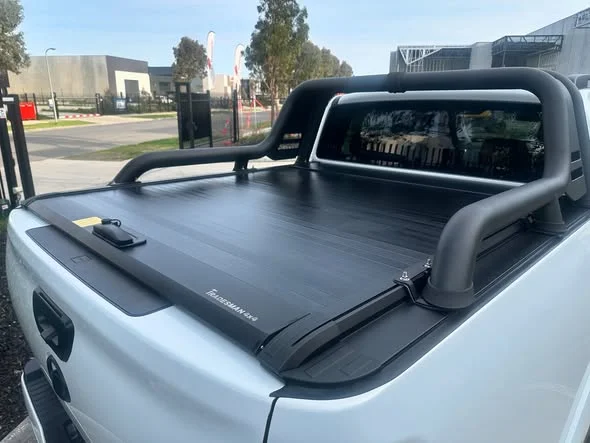
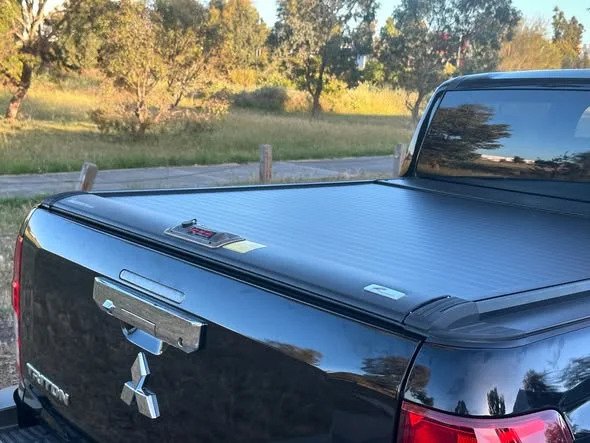
A ute roller shutter is a retractable cover fitted over the tub of a utility vehicle. It rolls along side rails and retracts into a housing, allowing you to cover or access the load area without removing a large, rigid lid.
Roller shutters are commonly used by tradespeople carrying tools, business owners transporting equipment and recreational drivers storing camping or outdoor gear. When closed and secured, the cover creates a barrier over the tray and helps reduce exposure to rain, dust and debris.
Many systems use aluminium construction and incorporate sealing around the edges. However, the exact materials, locking arrangements, operating mechanisms and compatibility vary between products.
Before choosing a model, consider the items you carry, how frequently you need access and whether the shutter must work with a sports bar, sailplane or other accessories.
Electric vs Manual Roller Shutter Ute: Key Differences
The biggest distinction is how you open and close the cover. An electric system uses a powered mechanism, while a manual system requires physical operation.
Operation: Electric shutters use a powered mechanism, while manual shutters operate through a pull strap or handle, depending on the model.
Convenience: Electric shutters are useful for frequent access, while manual shutters require physical effort to open and close.
Electrical Components: Electric shutters use a motor and associated controls, whereas manual shutters do not require a powered opening mechanism.
Maintenance: Electric shutters may need mechanical and electrical checks, while manual shutters generally require mechanical cleaning and inspection.
Access Controls: Electric models may include a remote, key fob or app, depending on the model. Manual models typically use a manual locking or release mechanism.
Power Dependency: Electric shutters depend on their electrical supply, although some models may offer backup options. Manual shutters operate without electrical power.
Typical User: Electric shutters suit users who prioritise convenience and frequent access, while manual shutters suit those who prefer straightforward operation.
Features vary by product, so check the specifications of the particular shutter rather than assuming every model includes the same controls or accessories.
1. Electric Roller Shutters: Convenience for Frequent Use
An electric roller shutter uses a motor to move the cover along its tracks. Depending on the system, it may be controlled through a dedicated remote, a vehicle key fob or another compatible control.
This setup can be useful when you need to access your ute tray regularly throughout a working day. For example, a contractor moving between job sites may appreciate being able to operate the cover without manually pulling it open or closed.
Advantages of an Electric Roller Cover
Convenient operation: Powered movement reduces the physical effort involved in opening and closing the shutter. This is particularly useful when access is frequent.
Consistent everyday use: A properly installed system can provide smooth, repeatable operation when its tracks and mechanism are maintained.
Integrated controls: Some models support a roller shutter remote or compatible vehicle key fob. Confirm the included control method before purchasing.
A streamlined setup: Electric systems can provide a neat, integrated appearance while keeping the cover’s operation simple.
Potential Limitations
Electric shutters contain additional components, including a motor, wiring and control equipment. These components introduce extra maintenance and troubleshooting considerations compared with a basic manual mechanism.
The system also depends on its electrical setup. A flat vehicle battery, wiring issue or motor fault may affect operation, depending on the product’s design and backup provisions.
Electric operation should therefore be treated as a convenience feature rather than a guarantee of maintenance-free performance.
2. Manual Roller Shutters: Straightforward and Practical
A manual roller shutter opens and closes through physical operation, commonly using a pull strap or handle. The mechanism does not need an electric motor to move the cover.
This makes it a practical choice for drivers who want a relatively simple system and do not mind operating the shutter themselves.
Advantages of a Manual Roller Shutter
Straightforward operation: You control the cover directly without needing powered controls.
Fewer electrical components: Because the shutter does not rely on a motorised opening mechanism, there are fewer electrical parts to troubleshoot.
Practical everyday functionality: Manual systems can suit drivers who access the tray occasionally rather than repeatedly throughout the day.
Simple maintenance requirements: Routine care generally focuses on keeping the tracks clean, checking moving components and inspecting seals and locks.
Potential Limitations
Manual operation requires physical effort and access to the release mechanism. If you regularly open the tray several times a day, this extra step may become inconvenient.
The amount of effort required also depends on the shutter’s design, condition and installation. A correctly fitted and maintained manual cover should move smoothly, so resistance or uneven movement should be investigated rather than ignored.
3. Security and Weather Protection: Which Performs Better?
The choice between electric and manual operation should not be based on convenience alone. Consider how each model protects the equipment you carry.
Security for Tools and Equipment
Both types can provide a lockable cover over your ute tray. However, a roller shutter should not be treated as completely theft-proof.
Security depends on the locking mechanism, shutter construction, tailgate security and the surrounding vehicle setup. If you carry expensive power tools, electronics or specialist equipment, consider the entire storage arrangement rather than the opening mechanism alone.
Where possible, keep valuable items out of sight and avoid leaving them unattended in exposed locations.
Protection From Rain, Dust and Debris
A roller shutter can reduce the amount of weather exposure your cargo experiences. The actual protection depends on the product’s seals, drainage channels, installation and ongoing condition.
Even a well-sealed cover should not automatically be assumed to be completely waterproof under every condition. Heavy rain, pressure washing, damaged seals or incorrect installation may allow water to enter.
Check the manufacturer’s guidance about water resistance and drainage, especially if you regularly carry equipment that must remain dry.
4. Maintenance and Long-Term Ownership
Maintenance is an important part of the electric versus manual comparison. Both systems contain moving components, so neither should be installed and forgotten.
Electric models require attention to the tracks, roller mechanism, electrical connections and motor operation. If the shutter begins moving unevenly, stops unexpectedly or responds inconsistently to its controls, investigate the cause before continued use.
Manual models also need clean tracks, correctly aligned components and functioning locks. Dirt and debris can interfere with movement, while neglected seals may affect weather protection.
For either option:
Remove accumulated dirt and debris from the tracks.
Follow the manufacturer’s instructions for cleaning and lubrication.
Inspect seals and drainage points periodically.
Check fasteners and mounting points for signs of loosening.
Avoid forcing a shutter that has jammed or become difficult to operate.
Arrange professional inspection when a fault cannot be identified safely.
The most suitable system is one you can maintain correctly and operate consistently.
5. Price and Overall Value
Purchase price is another factor when comparing an electric vs manual roller shutter ute setup. Electric models typically cost more because they include a motor and associated electrical components. Manual models generally offer a simpler configuration.
However, the purchase price alone does not determine value.
Consider how much time convenient operation could save, how frequently you access the tray and whether additional installation or electrical work is required. Also check warranty coverage, servicing requirements and the availability of replacement parts.
The cheapest option may not be the most suitable if it makes your daily routine less efficient. Equally, paying for powered operation may offer limited practical benefit if you open the tray only occasionally.
For a model-specific comparison, explore the Tradesman4x4 roller shutter range and review the available specifications for your vehicle.
6. How to Choose the Right Shutter for Your Ute
Before placing an order, work through the following considerations.
Identify Your Vehicle and Tub Configuration
Start with the ute’s make, model, year and tub configuration. Some models have different dimensions or mounting requirements across generations and cab styles.
Do not assume that a shutter designed for one version of a ute will fit another version of the same vehicle.
Consider Your Daily Routine
Think about how often you access the tray. Frequent opening and closing may make electric operation worthwhile, while occasional access may make a manual system perfectly adequate.
Check Existing Accessories
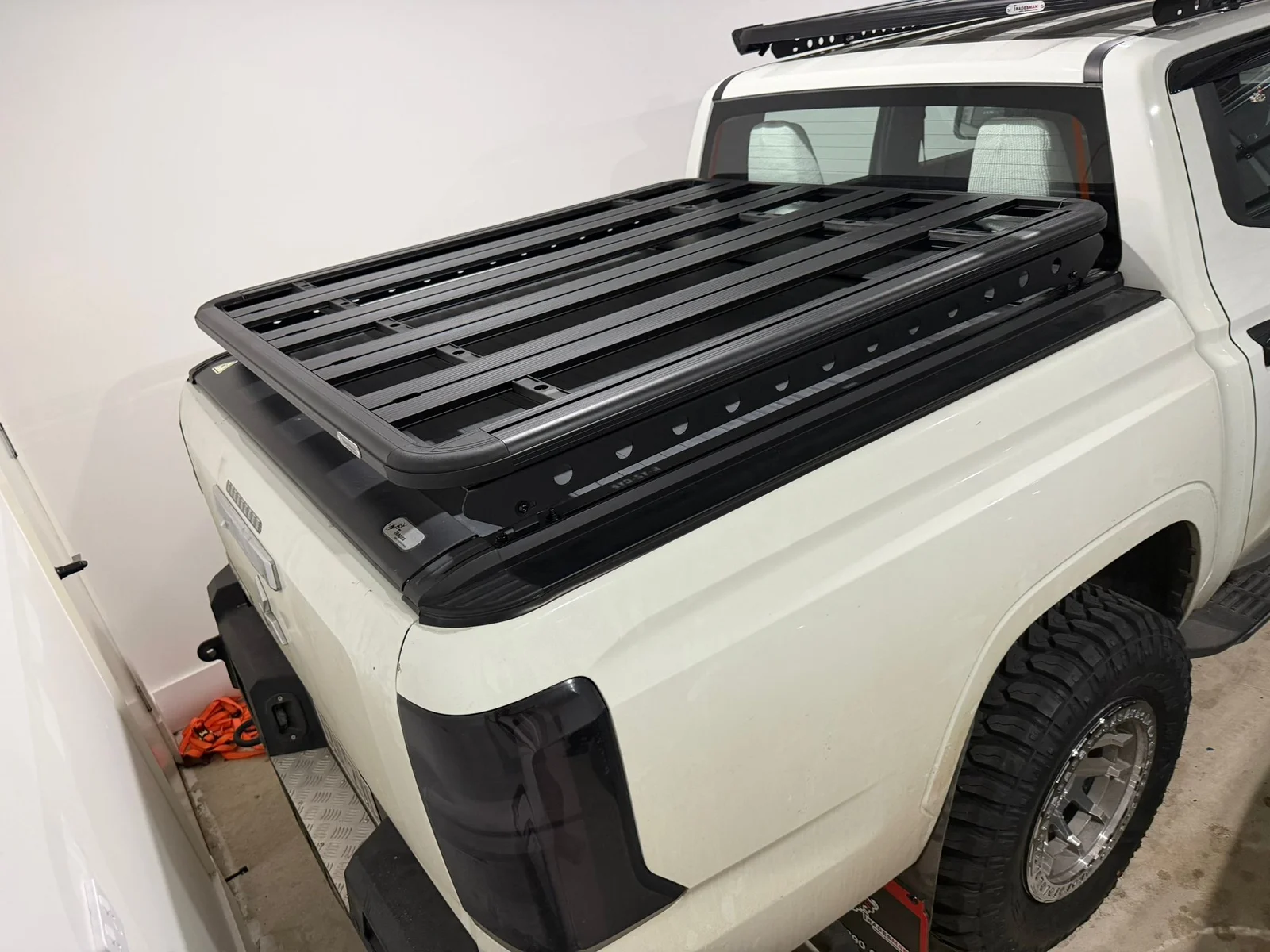
Sports bars, sailplanes, crossbars and other accessories can influence fitment. Confirm whether your existing setup is compatible and whether additional brackets or installation adjustments are required.
Compare Specifications, Not Just Features
Review the operating mechanism, locking arrangement, sealing, warranty and installation requirements. Make sure the product description matches your intended use.
For vehicle-specific options, start with the Tradesman4x4 home page and browse the available ute accessories.
Conclusion
Choosing bAetween electric and manual ute roller shutters comes down to how you use your vehicle. An electric system may suit drivers who value convenient, frequent access, while a manual system can be a practical choice for those who prefer simpler operation and fewer electrical components.
Before deciding, compare vehicle compatibility, security, weather sealing, maintenance and total ownership requirements rather than focusing on the operating mechanism alone.
Tradesman4x4 provides ute accessories, including electric and manual roller shutters for different vehicle applications. Review the available specifications and, if you need help confirming fitment or selecting a suitable setup, Contact us for further information.
Frequently Asked Questions
1. Are electric ute roller shutters better than manual ones?
Not necessarily. Electric shutters are more convenient for frequent access, while manual shutters provide straightforward operation without a powered opening mechanism. Your usage habits and budget should guide the decision.
2. How does an electric roller shutter work?
An electric roller shutter uses a motor to move the cover along its tracks. Depending on the model, operation may be controlled through a remote, vehicle key fob or compatible app.
3. Can a manual roller shutter protect tools from rain?
A manual roller shutter can help protect tools from rain and dust when its seals, drainage system and installation are appropriate. However, protection varies by product and conditions, so check the manufacturer’s specifications.
4. Does an electric roller shutter need vehicle power?
Electric shutters require a suitable electrical supply. The exact connection and power requirements depend on the product. Check the installation instructions and ask about backup operation if power is interrupted.
5. Are manual roller shutters easier to maintain?
They generally have fewer electrical components to maintain because they do not use a powered opening mechanism. However, their tracks, moving parts, seals and locks still require routine care.